Archive
Page 3.
Archive
All Posts
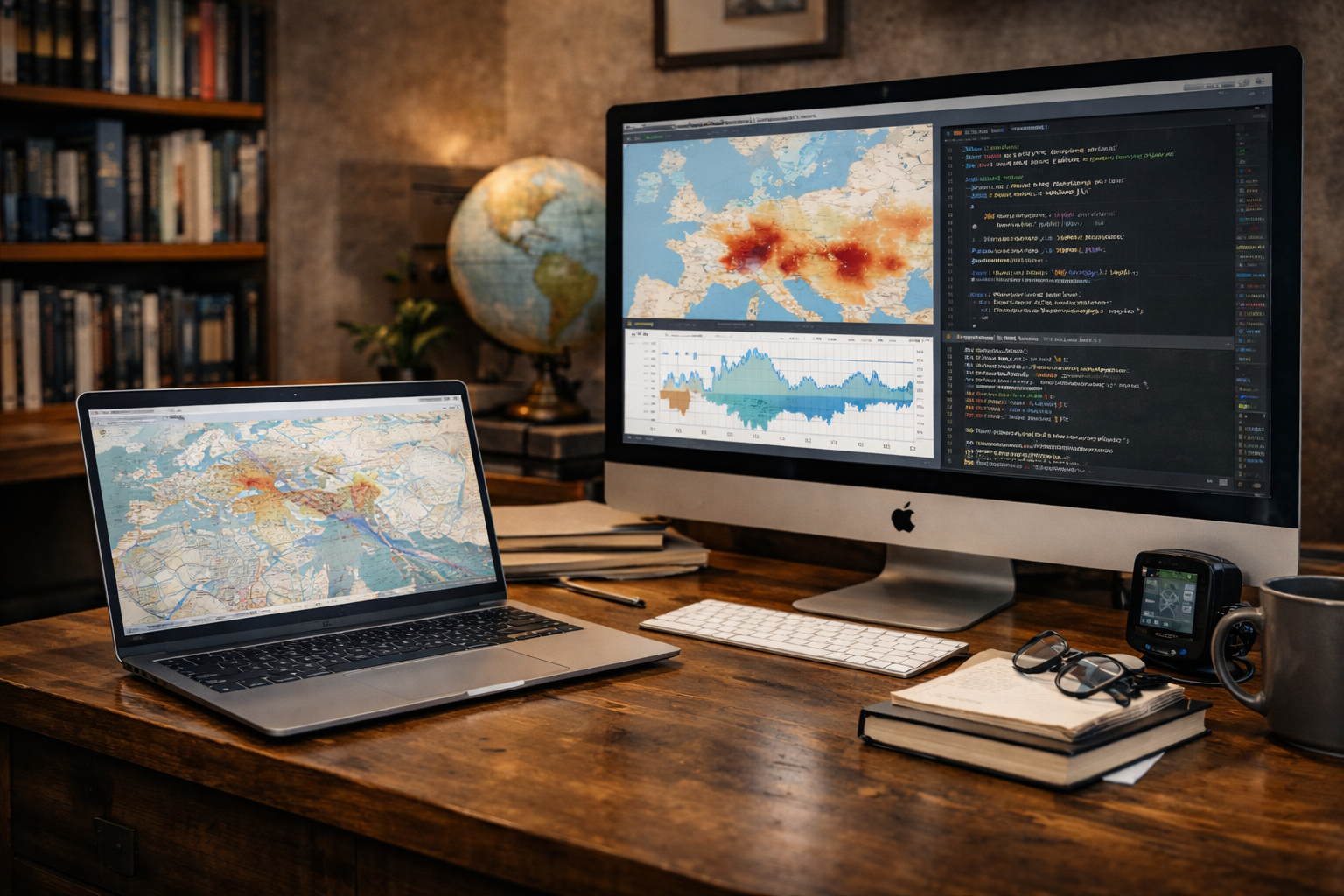
Spatial Narrative: A Rust Library for Spatiotemporal Event Analysis
Modelling, indexing, and analysing events across geographic space and chronological time
Events happen in places, at times, and within contexts. Spatial Narrative is a Rust library built for researchers who need to work with spatiotemporal data—whether that is historical archives, GPS tracks, conflict records, or urban mobility patterns.
Read more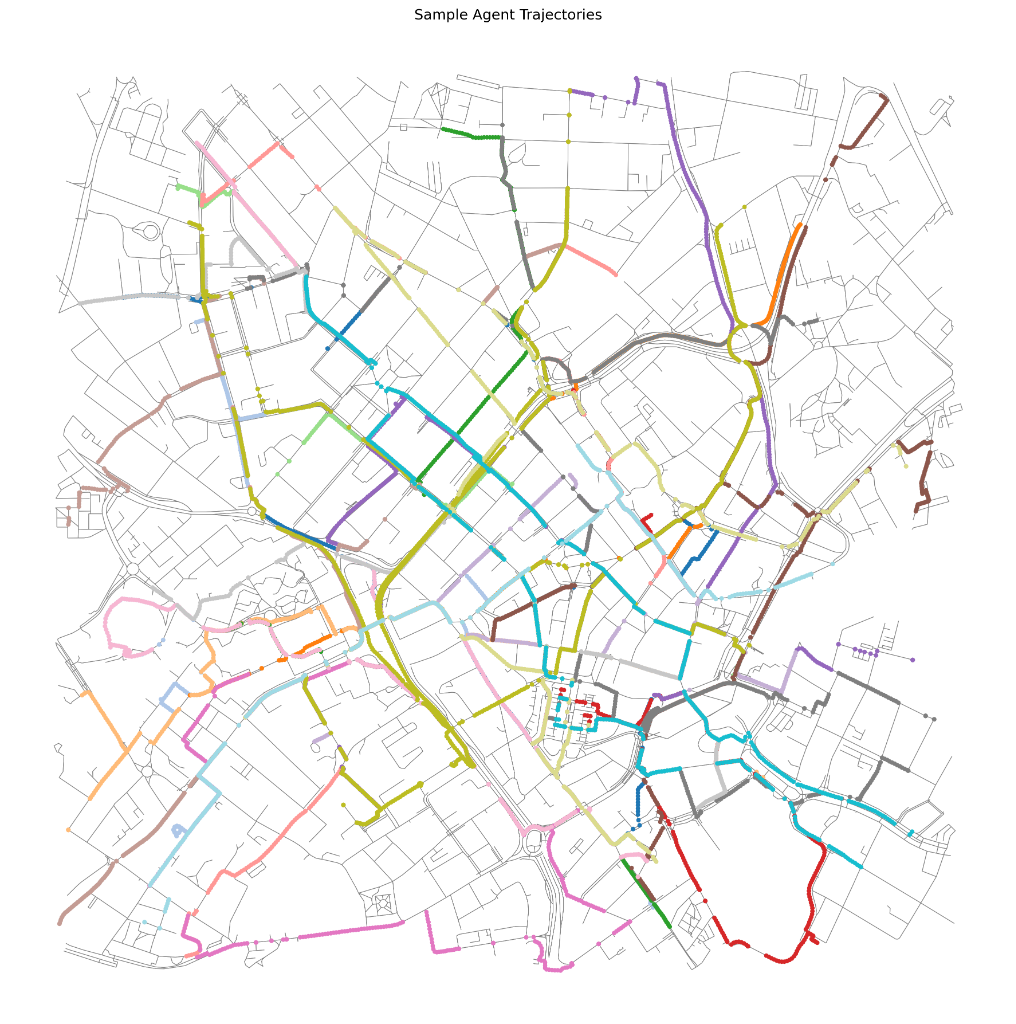
PlaceAgents: Modelling Multi-Stop Pedestrian Itineraries as Platial Flows
An itinerary-centred agent-based framework for simulating pedestrian movement on urban networks
Urban life is made by the places that people merge together into formal routines. PlaceAgents is a framework for modelling multi-stop pedestrian itineraries on city networks using open and reproducible data—treating the city as linked places rather than abstract space.
Read more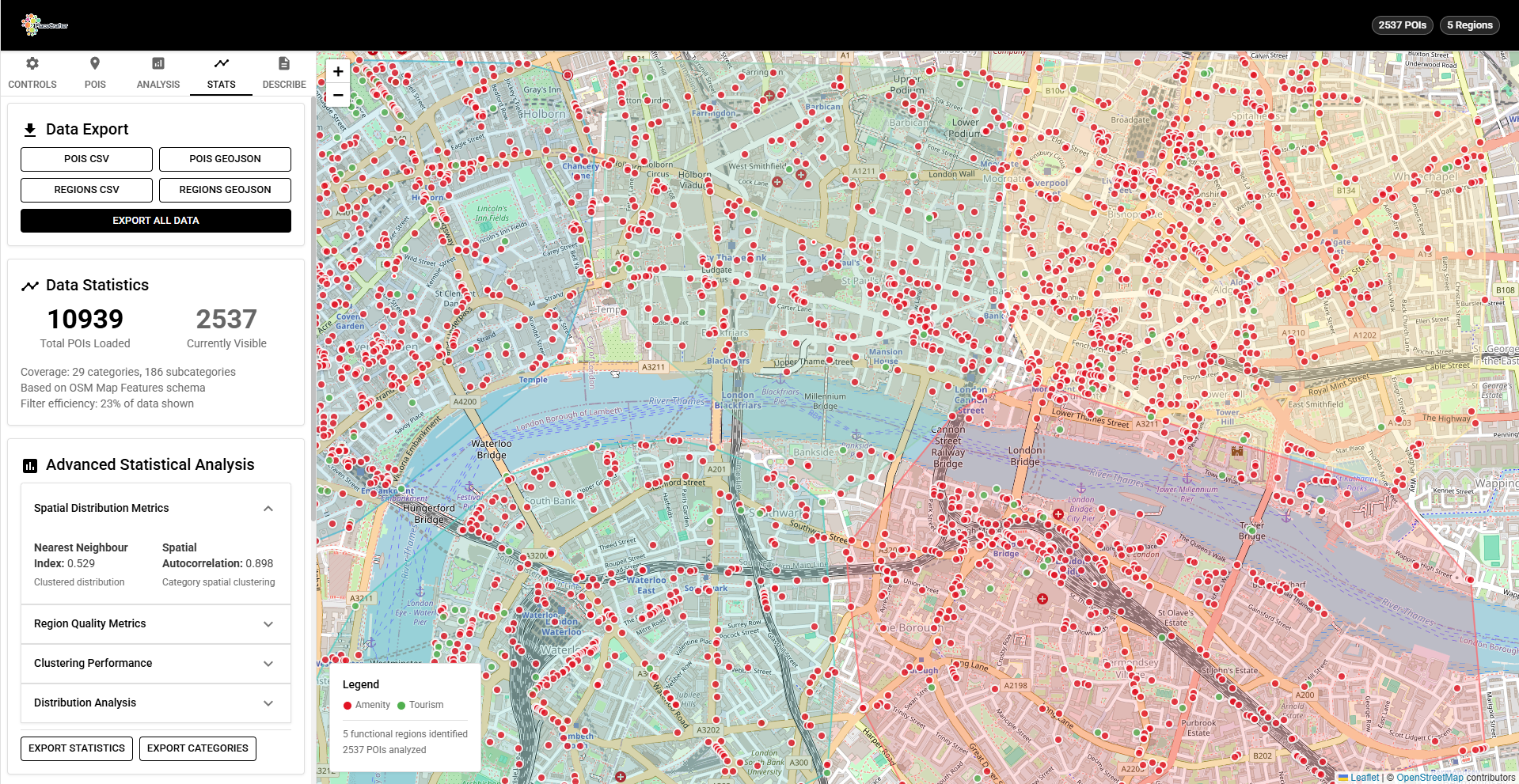
PlaceCrafter: Curating Urban Functional Regions through Platial Clustering
A web-based geospatial tool for identifying place-based regions in cities using OpenStreetMap data
The world is not just made of streets, buildings, and zones—it is shaped by how people engage and interact with places in their everyday lives. PlaceCrafter supports researchers in identifying platial regions: functional, human-centred areas that cross administrative and formal boundaries.
Read more
Reflection on the Leisure Walking Systems Working Group Impact Project
Bridging academic research with practical industry applications in place-based walking systems
The Leisure Walking Systems Working Group (LWSWG) impact project represents a significant milestone in bridging academic research with practical industry applications in the domain of place-based walking systems.
Read more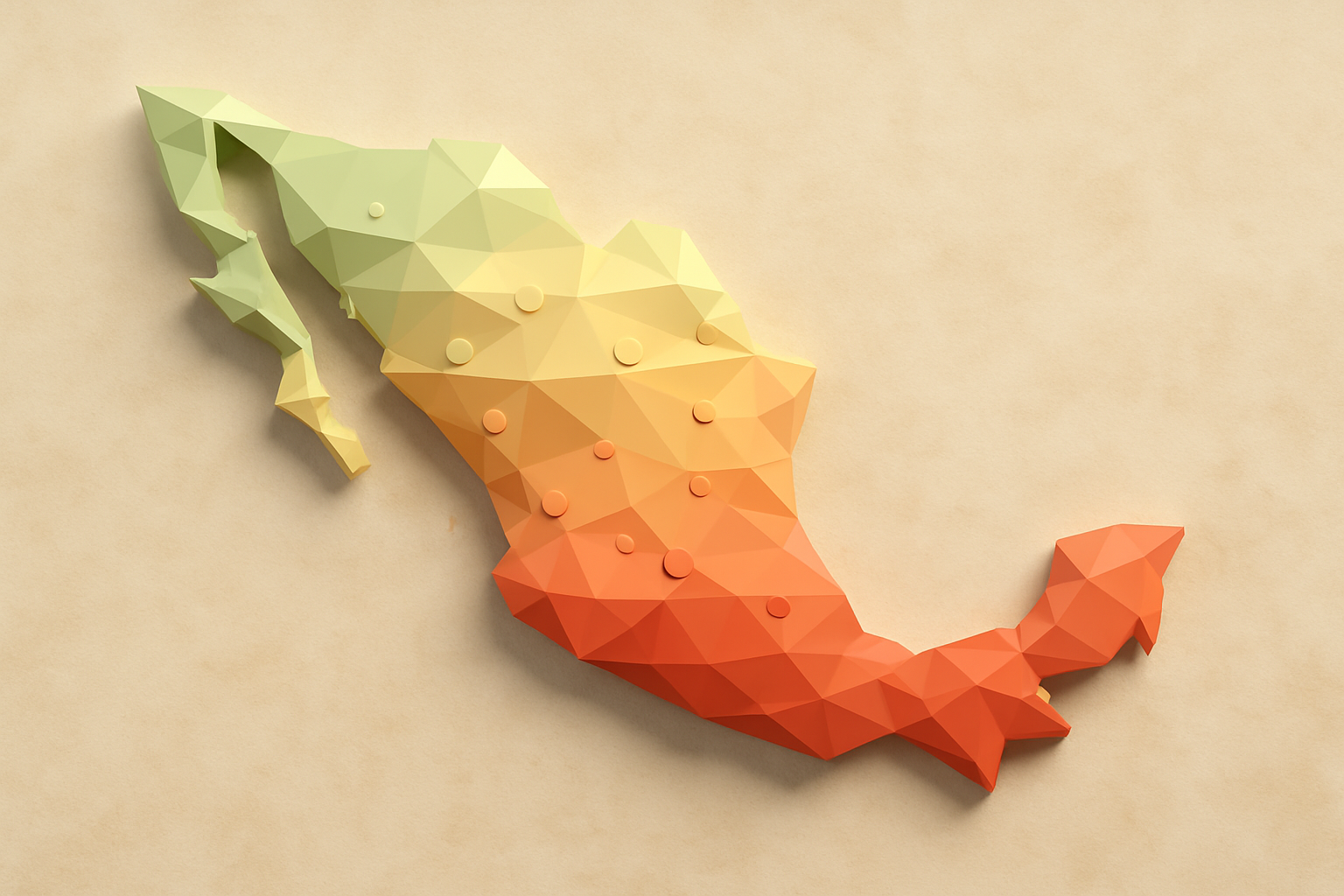
Diabetes Disparities in Mexico: A Spatio-Temporal and Marginalization Index Analysis
Presented at W2GIS 2025 in Mexico City
Diabetes remains one of the most pressing global health challenges of the 21st century. In Mexico, the burden of the disease is deeply shaped by social inequalities, with hospitalisations and deaths reflecting broader patterns of deprivation and exclusion. Our recent work, presented by Carlos Hernández Nava at W2GIS 2025, brings a spatio-temporal lens to this urgent problem.
Read more
OS³: Open Source Security Studio - Launching A Hands-On Cybersecurity Teaching Platform
Deliberately vulnerable, modular, and instructor-friendly labs for cyber security education and engagement
OS³ (Open Source Security Studio) is a free, open-source platform for teaching cyber security through safe, practical labs. Built in Python/Flask for CMU540 at Birmingham Newman University and STEM outreach, it offers paired insecure vs. secure demos of common vulnerabilities and network security simulations.
Read more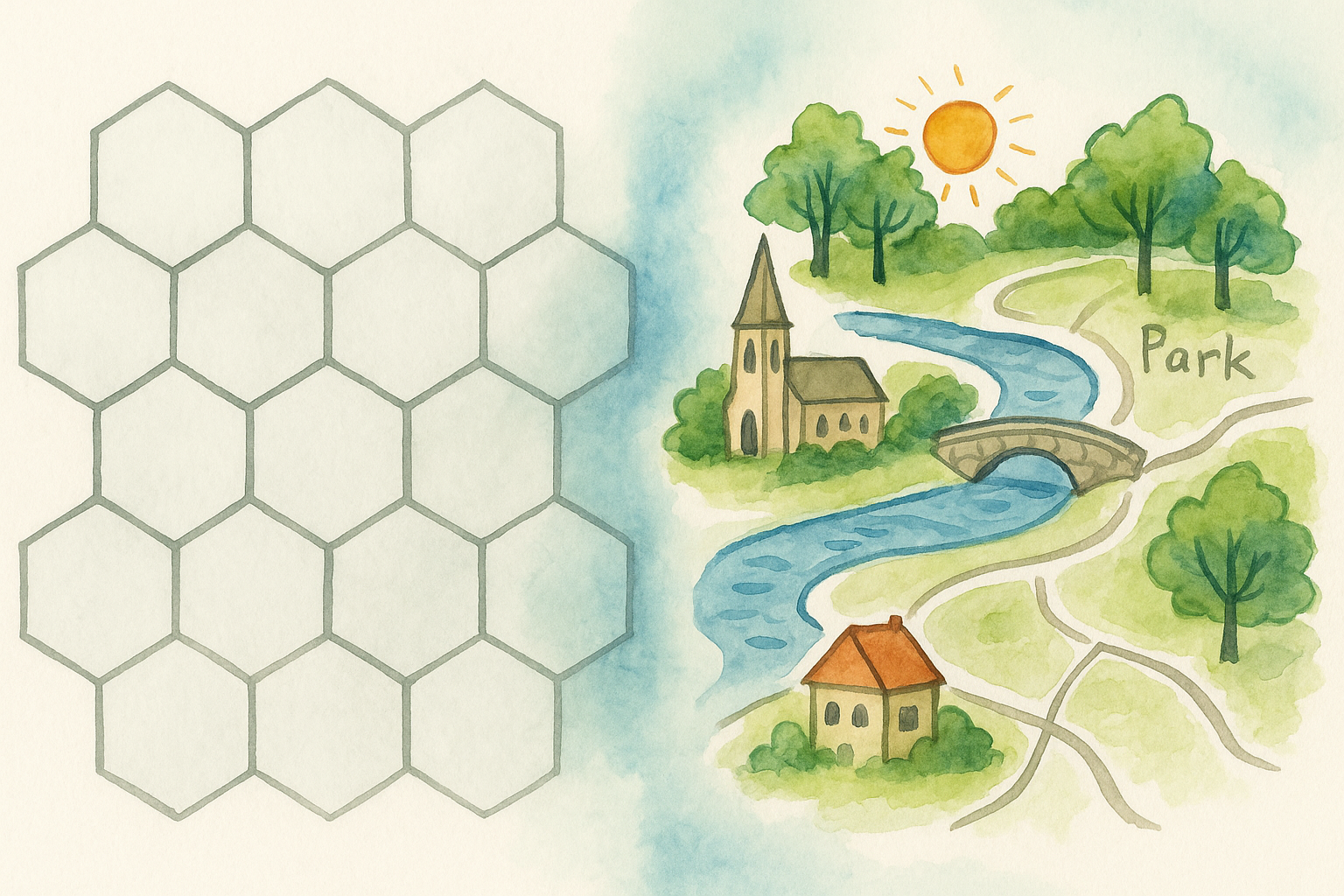
Platial vs Spatial: Why the Distinction Matters
Rethinking how we describe the world through lived experience and coordinates
Digital maps are dominated by the spatial: coordinates, polygons, and networks. Yet when we talk about the world around us, we rarely think in such precise terms. We think in places. This distinction between the platial and the spatial is more than semantics—it changes how we represent, analyse, and live with geography.
Read more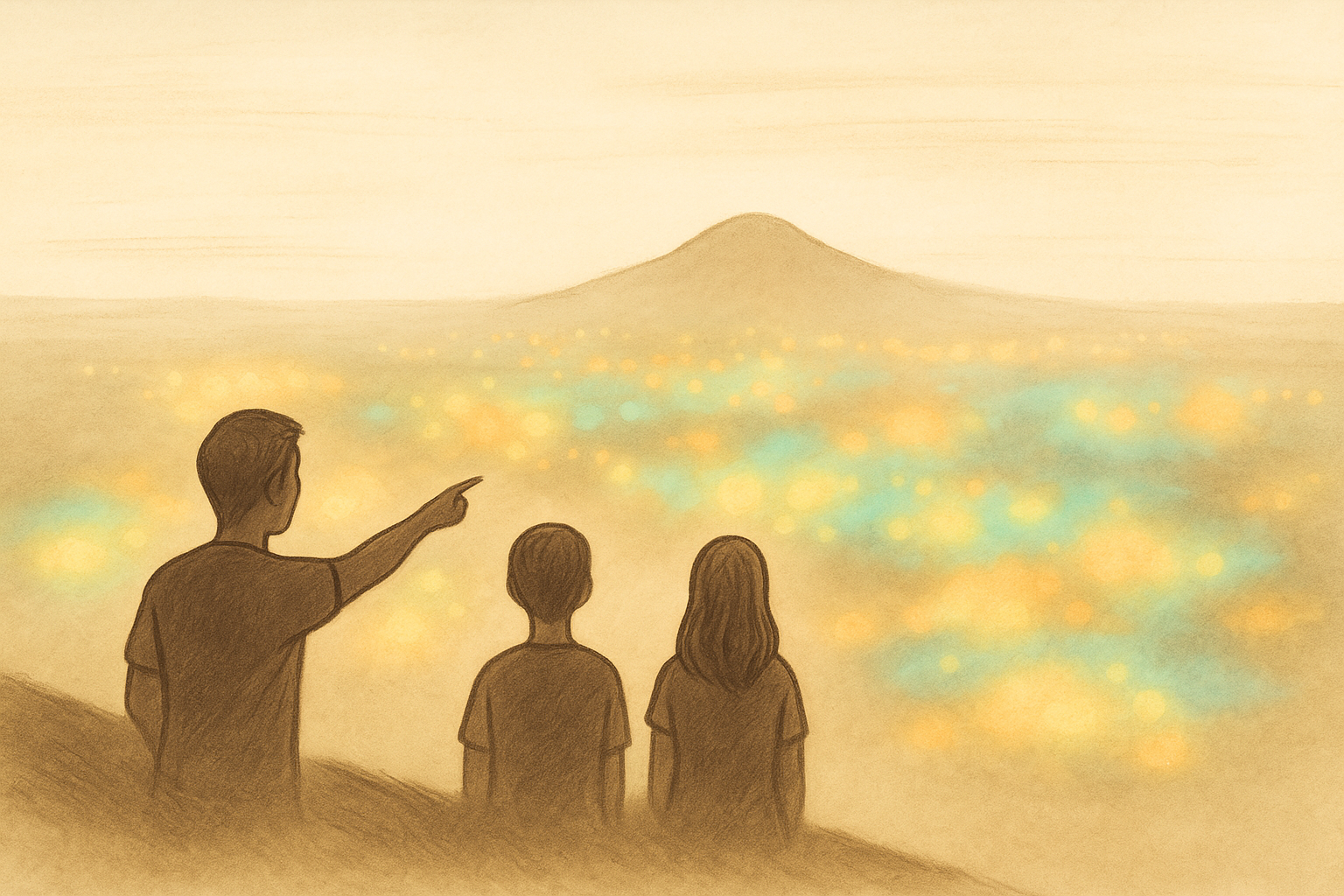
Platial Atlas: Mapping How People Experience Places
A global research project redefining place through lived experience rather than coordinates
Traditional maps often delineate our world with rigid lines and boundaries, yet these divisions seldom reflect the nuanced ways individuals experience and interact with their environments. The Platial Atlas project seeks to bridge this gap.
Read more